
7 Catering Lessons Learned From University Galas
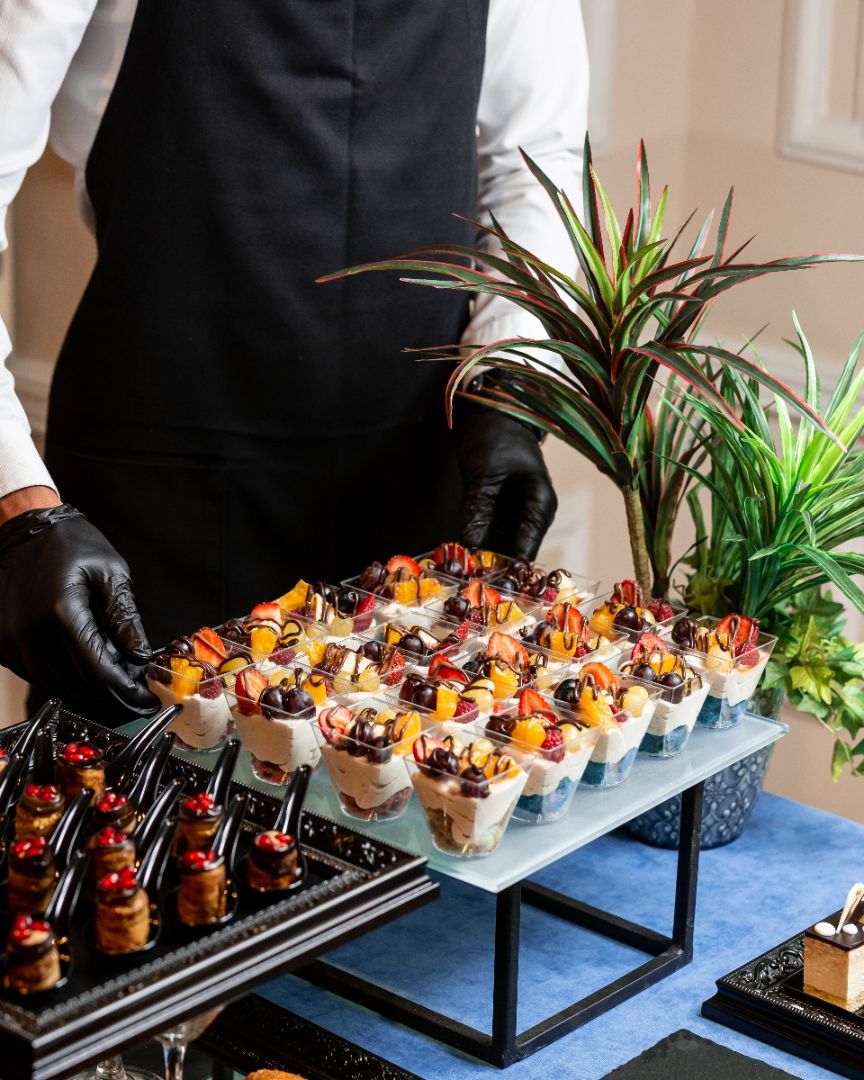
The hall is dimmed, several hundred students are dressed in their finest, and the evening marks a real milestone in their time at university. In the middle of all that energy, the food is often the most talked about part of the night. University gala catering is notoriously difficult to get right, and running events like these across the UK has taught us a few hard won lessons.
1. Logistics Start Long Before the First Plate Is Served
Large university events are a masterclass in timing. When you are serving several hundred guests in a venue without a full commercial kitchen on site, the planning stage decides whether the night runs smoothly. Knowing the venue properly, including where the power points are, how narrow the service corridors are, and whether the lift fits a heated trolley, makes the difference between a calm service and a chaotic one.
A good team knows how to adapt when a speech runs ten minutes over or a performance starts early. That kind of flexibility comes from our dedicated team handling everything from the loading bay to the final clearance, not just the cooking itself.
If you are organising the event yourself, students’ unions often publish detailed ball planning guidance covering venue booking, budgeting, and timings, which is worth reading alongside your catering brief.
2. Dietary Diversity Is Now the Standard
There was a time when a vegetarian option meant one mushroom risotto at the bottom of the menu. On UK campuses today, dietary requirements are varied and central to the planning process from the start, not an afterthought.
Because we work across corporate and event catering of every kind, we have seen how much guests appreciate genuine inclusivity. Grilled Chilli Paneer and Daal Makhani both work well as full vegetarian mains rather than side dishes, and Vegetable Pakora and Vegetable Crispy Rolls are easy additions to a starter course that already leans towards meat.
Allergen information matters just as much as the dishes themselves. Following the Food Standards Agency’s guidance on allergen information keeps the kitchen and the committee working from the same information once the final menu is confirmed.
3. High Volume Must Not Mean Low Quality
The biggest fear for any student ball committee is food that has sat too long under a heat lamp and lost its texture. The answer lies in the dishes chosen at the menu stage, not just the kitchen on the night.
Roghan Josh and Chicken Tikka Masala both hold their texture well under hot holding, staying tender rather than drying out. Delicate items that wilt within minutes of plating are best avoided for events of this scale, however good they look on paper.
4. A British Asian Twist Goes Down Well
Students have grown up with global flavours, so a standard three course meal with a plain roast can feel a little flat for a young, energetic crowd. The most successful galas tend to inject some personality into the menu.
Dynamite Chicken and Salt ‘n’ Pepper Chicken Wings mix familiar British staples with proper Asian spice, and they are usually the first dishes to disappear from a canapé table. It reflects the multicultural reality of a UK campus, and it gives guests something to talk about between courses.
5. Managing the Budget Without Cutting Corners
Organising a student ball is a balancing act. Committees work with fixed ticket prices and need every pound to stretch as far as possible, so the lesson here is about smart choices rather than smaller portions.
Sindhi Biryani and Daal Makhani both deliver a genuine sense of abundance without the price tag of a premium cut of meat. Getting the menu architecture right means the event feels generous while staying within budget for students from all backgrounds.
6. Communication Is the Best Ingredient
The most common pitfall in university gala catering is a lack of clarity about the evening’s flow. Are there speeches between courses? Is there an awards presentation? If the kitchen knows exactly where the gaps are, the next course can be timed to arrive at the right moment rather than sitting idle.
We always recommend planners check our frequently asked questions or book in a detailed briefing early on. Knowing the timings in advance lets the catering team move without having to guess.
7. The Late Night Snack Is Often the MVP
If the gala starts at seven and the dancing runs until midnight, a meal served at half past eight will feel like a distant memory by eleven. Events that add a late night street food station or a second wave of lighter bites tend to get remembered for the right reasons.
Sweet Chilli Chicken, Papri Chaat, and Spring Rolls all work well as handheld late night bites. It is a small addition that often leaves the biggest impression as students head back to their halls.
If you are currently organising a ball or a formal dinner, remember your caterer should be more than a food supplier. If you would like to talk through how we can bring the right blend of experience and flavour to your event, get in touch with our events team and we will help you plan it properly.