
How Nikah Ceremony Catering Creates Lasting Memories
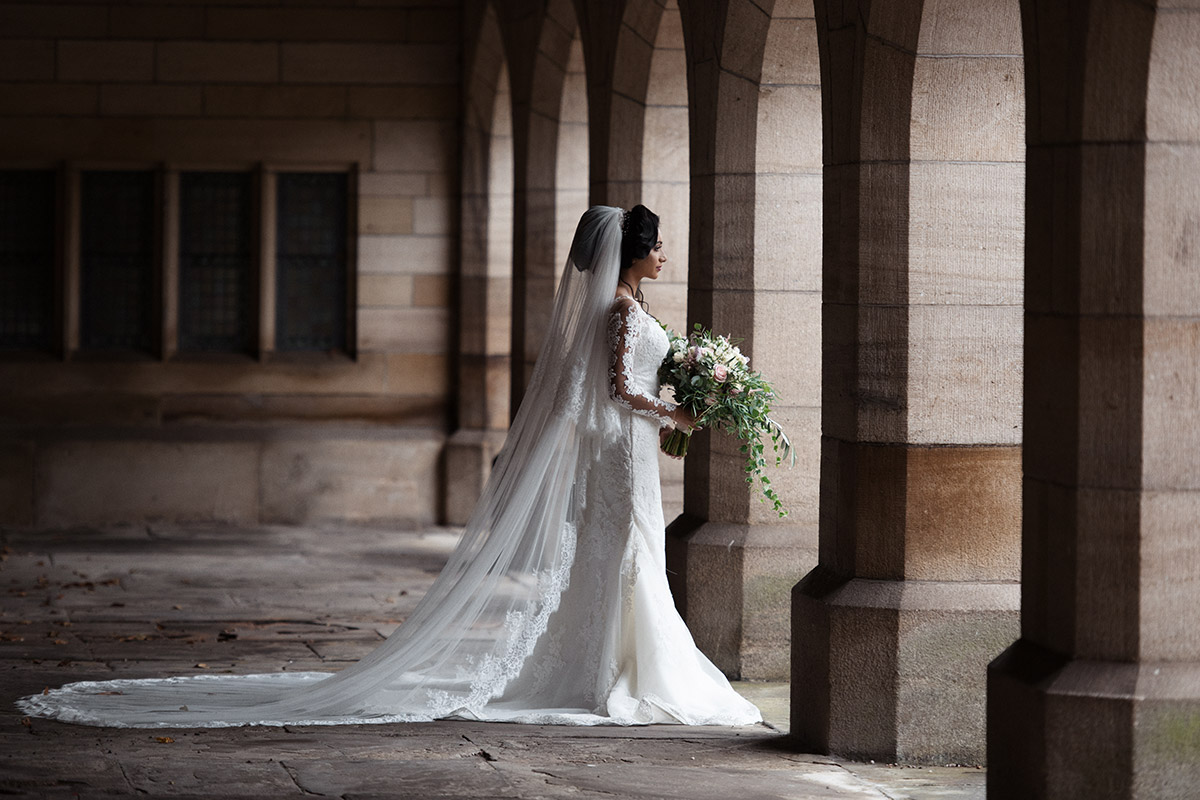
The aroma of freshly prepared biryani, the gleaming presentation of delicate canapés, the satisfied murmur of guests sharing a meal together: these sensory moments transform a Nikah ceremony from a formal occasion into a cherished memory. Food does far more than satisfy hunger at wedding celebrations; it becomes part of the story couples tell for years to come, weaving together faith, culture and hospitality in ways that honour both tradition and the unique journey of the couple.
Thoughtful Nikah catering creates an atmosphere where guests feel welcomed, valued and connected to the significance of the occasion. Whether you’re planning an intimate gathering of close family or a larger walima reception, the choices you make about your menu, service style and caterer will shape how your guests experience and remember this sacred day.
Why Catering Matters Beyond the Menu
In Muslim cultures across South Asia, the Middle East and beyond, food represents generosity, blessing and community. The act of sharing a meal after the Nikah ceremony carries deep meaning: it’s a physical expression of joy, gratitude and the coming together of two families. When catering is handled with care and cultural sensitivity, it signals to your guests that they matter, that their comfort has been considered and that this celebration honours the values at the heart of your union.
The visual presentation of dishes, the warmth of service staff, the timing of courses in relation to prayer times: all these details contribute to an atmosphere that feels both special and authentic. Guests remember not just what they ate but how they felt, whether the service was respectful during prayers, whether dietary needs were anticipated, whether the food tasted of home or introduced them to new flavours with confidence and skill.
Honouring Religious and Cultural Traditions
Nikah ceremony catering must balance religious requirements with cultural expectations and personal preferences. Halal certification isn’t simply a box to tick. It represents a commitment to preparing food according to Islamic principles, from sourcing to preparation to serving. Reputable caterers understand that halal certification should be current, verifiable and cover all ingredients and preparation surfaces.
Beyond halal compliance, timing matters enormously. Service schedules must account for prayer times, particularly Maghrib or Asr depending on your ceremony schedule. A skilled caterer will work with you to plan courses that respect these pauses, ensuring guests can observe prayers comfortably without food going cold or service feeling rushed. Similarly, if you’re hosting gender segregated areas, your caterer should coordinate service staff and equipment accordingly.
Traditional dishes carry their own significance. Whether it’s the rich warmth of Chicken Tikka Masala representing celebratory comfort food, the communal sharing of Sindhi Biryani or Bohri Biryani evoking specific regional heritage, or the symbolic sweetness of Gulab Jamun marking joy and new beginnings, these dishes tell guests that their cultural identity is seen, respected and celebrated.
Planning Your Nikah Menu
Before selecting specific dishes, map out who will be attending. Are your guests primarily from one cultural background or will you be serving a diverse group? Are there elderly guests who may prefer milder flavours or children who need simpler options? How many guests observe strict vegetarian diets or have allergies to common ingredients like nuts, dairy or gluten?
A professional caterer will ask about guest demographics, dietary restrictions and any specific cultural or family preferences. They should maintain detailed allergen information for every dish and be prepared to adapt recipes or provide clearly labelled alternatives.
Building a Memorable Menu
The most successful Nikah menus create a journey through the meal, starting with elegant canapés during the reception, moving through substantial mains and finishing with memorable desserts. Your menu should reflect your tastes whilst meeting guest expectations for a celebratory feast.
For arrival drinks and mingling, consider five to eight canapé options that guests can enjoy whilst standing. Cocktail Samosa, Chicken Tikka, Paneer Tikka, Pani Puri and Hariyali Chicken offer variety in flavour and accommodate different dietary preferences. For a seated starter service, dishes like Chicken Malai Tikka, Aloo Tikka, Tandoori Chicken Drumsticks or Vegetable Pakora set an impressive tone.
The heart of your meal deserves careful thought. A typical Nikah menu includes three to five curry options plus rice and accompaniments. Popular combinations might include Chicken Tikka Masala, Karahi (chicken or mutton), Nihari, Butter Chicken and Palak (with chicken or paneer), served alongside Sindhi Biryani or Pilau, Pilau Rice with your choice of Zeera, Channa or Peas, fresh Naan or Roti and salads such as Fattoush, Mixed Leaf Salad and Tabbouleh Salad.
For vegetarian guests, options go beyond mere accommodation. They’re often preferred choices. Ensure your vegetarian selection is as generous and appealing as meat options. Dishes like Paneer Tikka, Achari Mixed Vegetables, Daal Makhani, Lahori Channa and Aloo Palak should be prepared with the same care and presentation as premium meat dishes.
Traditional Desi desserts carry particular significance. Gulab Jamun, Rasmalai, Kheer, Gajar Halva and Kulfi Falooda connect guests to wedding celebration traditions. Pairing these with contemporary options like Red Velvet Cheesecake, Mango Dream or Profiteroles accommodates different palates whilst maintaining visual appeal.
Service Styles: Finding What Fits Your Vision
The way food is served affects both the atmosphere and practical logistics of your celebration. Buffet service suits larger gatherings and offers guests choice and control over portions. Family style platters brought to tables create a warm, communal feel perfect for intimate gatherings. Plated service delivers a formal, refined experience with precise timing and presentation, ideal for smaller, elegant receptions.
Many couples choose a hybrid approach: canapés during the reception, a buffet or family style main course and a plated dessert. Discuss your venue layout, guest count and budget with your caterer to determine what’s practical. Remember that service style affects staffing requirements and overall costs.
Selecting a Caterer: Decision Criteria That Matter
Not all caterers understand the nuances of Nikah ceremony requirements. When evaluating potential caterers, start with these fundamental questions. Do you have current, verifiable halal certification for ingredients and preparation facilities? Can you provide references from recent Nikah or Muslim wedding events? How do you accommodate prayer times and gender segregated service requirements? What are your allergen management procedures? Can we schedule a tasting before committing to a contract?
Professional caterers should hold appropriate food safety certifications, public liability insurance and employer’s liability insurance if using staff. They should provide clear contracts covering exactly what’s included: service staff, equipment hire, setup and clearing times, linen, crockery, delivery charges and any additional costs.
The Importance of Tastings and Transparent Pricing
Never book a caterer without tasting their food. A tasting session allows you to evaluate flavour, presentation, portion sizes and the caterer’s receptiveness to feedback. Come prepared with questions: Can this dish be made milder or spicier? How will this hold up on a buffet for two hours? Can we see photos of how you present this at events?
Quality caterers provide detailed written quotations breaking down costs per head, setup fees, staffing charges, equipment hire and any extras. Budget typically ranges from £20 to £60 per person depending on menu complexity, service style, location and season, with walima receptions at the higher end and intimate Nikah gatherings potentially lower.
Look for caterers who ask questions about your specific needs rather than offering a standard package. Cultural competence matters: a caterer familiar with Nikah traditions will understand without extensive explanation why timing around Maghrib prayer isn’t negotiable or why separate serving areas might be required. At By My Lahore, our experienced team brings deep understanding of these requirements alongside culinary expertise.
Creating Lasting Memories Through Thoughtful Details
The couples who look back most fondly on their Nikah catering often mention small, thoughtful details: the caterer who remembered to prepare a separate, nut free dessert selection announced discreetly so children with allergies felt included rather than different; the service staff who paused respectfully during prayers without needing reminders; the grandmother who recognised her own mother’s Sindhi Biryani recipe in the walima feast.
These moments happen when caterers truly understand that their role extends beyond delivering food. Small touches create significant impact. Menu cards that explain unfamiliar dishes help curious guests try new foods confidently. Service staff who can answer questions about ingredients reassure those with dietary restrictions. These details become the stories guests share when remembering your celebration.
Practical Timeline and Planning
Begin your catering planning six to nine months before your Nikah, particularly if you’re marrying during peak wedding season. Research and shortlist three to five caterers, checking online reviews and requesting references. Schedule tastings with your top choices, bringing a family member or friend for additional perspective.
Three to four months out, finalise your contract and discuss the schedule in detail: ceremony timing, prayer requirements, serving windows and clearing expectations. Two months before, provide any updated dietary requirements, confirm final guest count and arrange a site visit with your caterer to discuss setup logistics.
In the final weeks, confirm all details in writing, provide venue contact information and discuss contingency plans for common issues like late running ceremonies or unexpected guest additions. Visit our frequently asked questions for additional guidance on catering logistics, or make an enquiry to discuss your specific Nikah catering needs.
Making Your Decision with Confidence
Choosing the right caterer for your Nikah ceremony involves balancing multiple factors: religious compliance, cultural authenticity, guest satisfaction, budget constraints and your personal vision for the day. Trust your instincts as well as your research. The caterer who listens carefully, asks thoughtful questions, demonstrates cultural competence and provides verifiable credentials is likely the right choice.
Remember that catering for celebrations and get togethers requires specific expertise beyond everyday food service. Your Nikah deserves a caterer who understands that they’re not simply providing a meal but helping create an experience that honours your faith, celebrates your union and brings together everyone you love in an atmosphere of joy, abundance and blessing.
The memories your guests carry away won’t be of individual dishes alone but of the complete experience: feeling welcomed, well fed and part of something meaningful. When catering is done thoughtfully, guests aren’t focused on logistics or service gaps but are fully present, celebrating with you, creating the shared memories that make your Nikah day truly unforgettable.
Planning your Nikah ceremony and want catering that honours tradition whilst creating exceptional memories? Our team specialises in culturally sensitive, professionally executed catering for Muslim weddings and celebrations. Contact us to discuss your vision, schedule a tasting or learn more about our halal certified menu options.