
Catering for Hindu Wedding Menus That Bring Traditions to Life
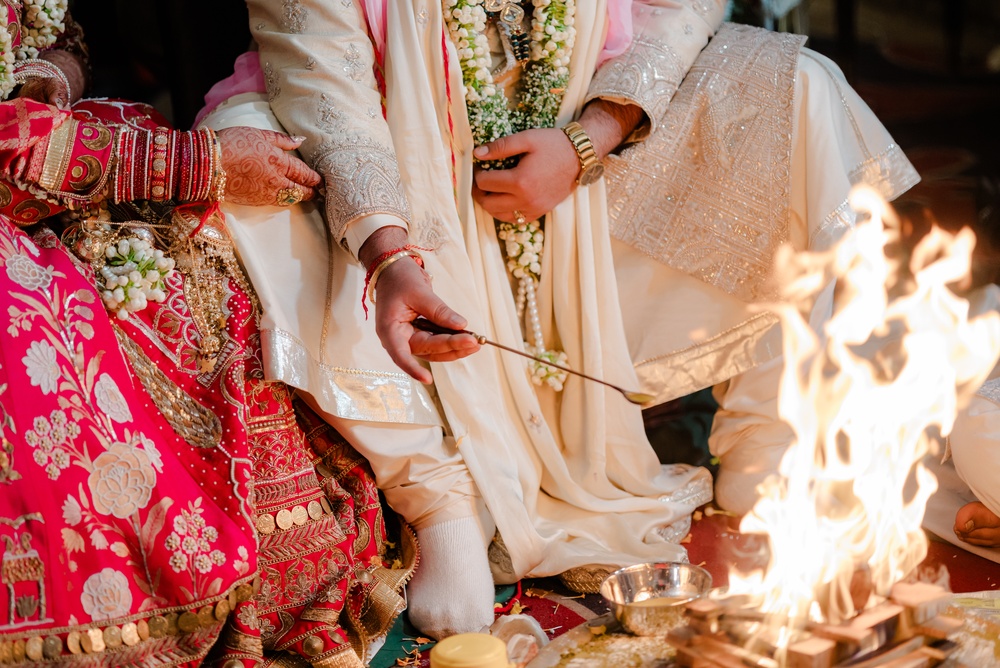
Food carries as much weight as any other part of a Hindu wedding, from the fried snacks served during the morning rituals to the main feast that follows the ceremony. Getting the menu right means balancing generations of tradition with the tastes of a modern British Asian guest list. This guide looks at how a Hindu wedding menu comes together, from the first starter to the final sweet.
Planning a Menu That Respects Tradition
The structure of a Hindu wedding day shapes the food. Ceremonies can run for hours, so the catering needs to move from light snacks during the morning rituals to a full feast once the main ceremony ends. A caterer who understands this rhythm knows exactly when to bring out arrival drinks and when to serve the main course.
For many families, the priority is a menu that is entirely vegetarian, in keeping with religious observance. Others want a wider mix that reflects their own family background, including Halal dishes served alongside the vegetarian spread for guests from different faiths. Getting this right takes experience with the specific dietary patterns of the community, not a generic wedding menu applied to every event.
If anyone in the wedding party has specific allergies, we are happy to talk through suitable options. The Food Standards Agency’s allergen guidance is a helpful starting point for guests wanting to understand how allergens are managed in a professional kitchen. You can also find out more about the team behind the food and the planning that goes into every wedding, so the logistics run as smoothly as the cooking.
Starters That Set the Tone
The starters set the tone for the whole afternoon. Vegetable Samosa and Aloo Tikka are reliable openers, offering a crisp shell against a spiced potato filling that guests recognise instantly. Paneer Tikka works well alongside them for guests who want something grilled rather than fried.
Street food style dishes are increasingly popular at British Asian weddings. Channa Chaat and Papri Chaat bring a mix of crunch, chilled yoghurt, and tangy chutney that gives guests something to talk about before the ceremony even begins.
Many Hindu weddings today are multi faith occasions, with guests from different backgrounds attending the same event. Offering Halal wedding food alongside the vegetarian starters means every guest is properly catered for without a separate menu being needed.
The Main Course and a Modern Twist
Vegetarian mains carry the weight of a Hindu wedding buffet. Daal Makhani, cooked slowly until rich and buttery, sits comfortably alongside Paneer Palak and Aloo Gobhi, giving guests a genuine choice of texture and spice level rather than one token vegetarian dish.
Some couples want the menu to reflect their life in the UK as much as their heritage. Pairing Daal Makhani with Grilled Chilli Paneer, or adding Lahori Channa for guests who want something with more punch, keeps the spread cohesive rather than a random selection of dishes.
For weddings with a wider mix of guests, Butter Chicken and Roghan Josh can sit on the same buffet, giving families the flexibility to serve both vegetarian and meat courses without compromising on either. Sindhi Biryani or Pilau Rice (Zeera, Channa or Peas) works as the anchor rice dish either way.
Wedding Catering Across Leeds, Manchester and Blackburn
Location plays a real part in how a wedding runs. For couples planning wedding catering in Leeds, Manchester, or Blackburn, having a caterer who knows the venues and the logistics of the region makes a genuine difference. Our venues, including Leeds Events Lounge, The Marquee in Manchester, and The Glass Marquee in Blackburn, are set up for exactly this kind of event, and we also provide wedding catering further afield, including in Bradford, at venues of the family’s own choosing.
Whether the wedding is in a city centre hotel or a marquee in the countryside, the food needs to arrive at the table properly hot and properly presented. That level of care extends across our full range of services, from large weddings to smaller celebrations and get togethers.
This experience carries over into corporate and community catering too, including hosting Iftar at the workplace, where shared meals and cultural respect matter just as much as they do at a wedding.
Questions Couples Often Ask
Planning the food for a Hindu wedding can feel overwhelming, particularly when the guest list runs into several hundred people with different tastes. Our frequently asked questions cover the most common queries, from dietary requirements to service style.
One question we hear often is how the catering differs between ceremonies. A wedding feast is usually a formal, sit down affair, but other events in the same week need a different approach. Reading about how Nikah ceremony catering creates lasting memories is a useful starting point for families planning several linked celebrations.
The earlier the conversation starts, the more refined the final menu can be. We always recommend getting in touch early so we can source the right ingredients and lock in the date that matters most to your family.
A Sweet Finish
No Hindu wedding is complete without a proper dessert course. Gulab Jamun remains a firm favourite, warm and soaked through with scented syrup, alongside Rasmalai for guests who prefer something lighter and creamier.
Gajar Halva and Kheer are both popular where a warmer, more traditional sweet is wanted, while Fresh Fruit Salad and Kulfi Falooda give guests a lighter option if they are already full from the main course. A jug of Mango Lassi on the table rounds off the meal nicely.
Every course, from the first Vegetable Samosa to the last spoonful of Kheer, is part of the story your family is telling your guests. A wider guide to Hindu wedding traditions shows just how central food remains to the way families express hospitality across the ceremony.
If you are ready to start building a menu your guests will talk about for years, enquire today and we will help you put the right spread together for your family’s celebration.